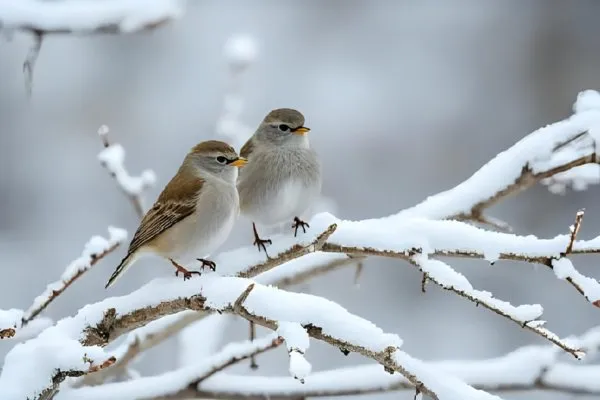
Winter transforms the birding landscape into a unique theater of survival, adaptation, and surprising beauty. While summer may boast the greatest diversity of species, winter offers some of the most rewarding birdwatching experiences for those who know where to look and what to expect.
The Challenge: Many birders hang up their binoculars when temperatures drop, missing out on spectacular winter visitors and fascinating behavioral adaptations. Cold weather, shorter days, and altered bird behaviors can make identification seem impossible for novice observers.
The Promise: This comprehensive guide will transform you into a confident winter birder, teaching you to identify 15+ common winter species, master cold-weather observation techniques, and create optimal feeding stations that attract diverse winter birds right to your backyard.
15 Common Winter Bird Species Every Birder Should Know
Resident Birds vs. Winter Visitors
Understanding the difference between year-round residents and seasonal visitors is crucial for successful winter birding. Resident species like Northern Cardinals, Blue Jays, and Downy Woodpeckers remain active throughout winter, though their behaviors and feeding patterns change dramatically.
Winter visitors present the most exciting opportunities. Dark-eyed Juncos arrive from northern breeding grounds in massive numbers, while Pine Siskins and Common Redpolls appear unpredictably during irruptive years when northern food sources fail.
Key winter resident species to master:
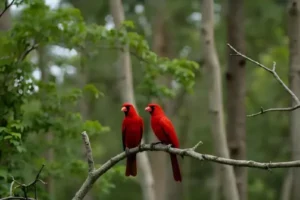
- Northern Cardinal: Males maintain brilliant red plumage year-round, while females show warm brown tones with red tinges
- Blue Jay: Intelligent corvids that cache thousands of acorns, becoming more visible at feeders
- Downy Woodpecker: Smallest North American woodpecker, easily confused with Hairy Woodpecker
- White-breasted Nuthatch: Distinctive head-down foraging behavior on tree trunks
- Chickadee species: Black-capped in north, Carolina in south, both highly social in winter flocks
Key Identification Features for Winter Plumage
Winter plumage presents unique challenges and opportunities. Many species molt into subdued colors, while others develop specialized winter adaptations that aid identification.
Seasonal plumage changes to note:
American Goldfinch: Males lose bright yellow, becoming olive-brown but retaining black wings with white bars. Listen for distinctive flight call: “per-chick-o-ree.”
Cedar Waxwing: Sleek brown birds with yellow tail bands and waxy red wing tips. Often seen in flocks stripping berries from ornamental trees.
Dark-eyed Junco: Regional variations include “Slate-colored” (eastern) and “Oregon” (western) forms. All show white outer tail feathers flashed during flight.
Pine Siskin: Heavily streaked brown finch with yellow wing patches, often feeding acrobatically on alder and birch catkins.
Behavior Changes in Cold Weather
Winter survival demands energy conservation, creating predictable behavior patterns that aid identification. Mixed-species foraging flocks become common, led by chickadees and including nuthatches, kinglets, and small woodpeckers.
Feeding intensity increases dramatically. Birds may visit feeders 20-30 times per day, compared to occasional summer visits. This creates exceptional observation opportunities for studying individual markings and behaviors.
Roosting behavior becomes visible as birds seek shelter in dense conifers, cavities, and even heated buildings. Evening observations near roost sites can reveal species diversity invisible during daytime hours.
Winter Bird Feeding Strategies and Observation Opportunities
Best Seed Types for Winter Species
Strategic seed selection transforms ordinary feeders into winter birding hotspots. Research by the Cornell Lab of Ornithology demonstrates that seed variety directly correlates with species diversity at feeding stations.
High-energy seed priorities:
Black-oil sunflower seeds: Universal preference among winter birds due to high fat content (40-50% oil). Attracts cardinals, chickadees, nuthatches, and most finch species.
White proso millet: Ground-feeding birds including juncos, sparrows, and doves prefer this small, easily digestible seed scattered beneath feeders.
Nyjer (thistle) seed: Goldfinches, siskins, and redpolls demonstrate remarkable acrobatic abilities accessing specialized nyjer feeders.
Peanuts and suet: Woodpeckers, nuthatches, and jays require high-protein options. Offer raw peanuts in shell for extended foraging time.
Feeder Placement for Optimal Viewing
Strategic feeder placement maximizes both bird comfort and observation opportunities. Position feeders 3-10 feet from cover, allowing quick escape routes while providing clear sightlines for photography and study.
Multi-level feeding stations accommodate different foraging preferences:
- Elevated tube feeders: 4-6 feet high for finches and small songbirds
- Platform feeders: 2-3 feet high for ground-feeders comfortable with elevation
- Ground scatter areas: Natural feeding preference for juncos, sparrows, and towhees
Window placement should be either within 3 feet (birds can’t build fatal momentum) or beyond 30 feet (sufficient reaction time). This prevents collision injuries while maintaining observation accessibility.
Creating Winter Bird Habitats
Beyond feeding, comprehensive winter habitat includes shelter, water, and natural food sources. Dense shrub plantings provide wind protection and roosting sites, while berry-producing plants offer sustained natural food sources.
Native plant selections for four-season bird support:
- Serviceberry: Early fruit supports summer residents, dried berries persist through winter
- Elderberry: Late summer fruit timing coincides with fall migration energy needs
- Sumac: Persistent winter fruit clusters provide emergency food during severe weather
- Oak trees: Acorn production supports woodpeckers, jays, and nuthatches through cached supplies
Water sources become critical as natural sources freeze. Heated birdbaths or simple immersion heaters maintain open water, attracting species that might otherwise travel miles for drinking opportunities.
Essential Cold-Weather Birdwatching Techniques
Timing Your Winter Birding Sessions
Winter birding success depends heavily on timing, weather awareness, and understanding energy conservation patterns. Birds concentrate feeding during limited daylight hours, creating predictable activity windows.
Peak activity periods:
Dawn feeding rush (30 minutes after sunrise): Birds replenish energy lost during cold nights. Activity levels can be 3-4 times higher than midday periods.
Pre-storm feeding frenzies: Barometric pressure drops trigger intensive feeding 12-24 hours before storms. Birds instinctively prepare for weather-forced fasting periods.
Post-storm emergence: First calm hours after storms end provide exceptional observation opportunities as birds emerge from shelter desperate for food.
Afternoon sun periods: South-facing slopes and sun-warmed areas concentrate bird activity during cold, clear afternoons.
Dress and Equipment for Winter Conditions
Successful winter birding requires gear that maintains warmth while preserving dexterity for binocular use and note-taking. Layer systems outperform heavy coats, allowing temperature regulation during varying activity levels.
Essential winter birding gear:
Optics protection: Lens fogging occurs when moving between temperature zones. Anti-fog lens coatings and gradual temperature transitions prevent condensation.
Hand warmers: Chemical hand warmers maintain finger dexterity for field guide pages and binocular adjustments. Rechargeable options provide sustained heat for extended sessions.
Insulated boots: Waterproof boots with good traction become safety equipment on icy trails and snow-covered terrain.
Layering strategy: Moisture-wicking base layer, insulating middle layer, windproof outer shell. Avoid cotton materials that lose insulating properties when damp.
Reading Winter Bird Behavior Patterns
Winter survival creates distinctive behavior patterns that aid identification and predict bird locations. Understanding these patterns transforms random sightings into predictable encounters.
Energy conservation behaviors:
Reduced singing: Most species save energy by eliminating territorial singing, though some maintain contact calls and alarm notes.
Flocking advantages: Mixed-species flocks provide “many eyes” safety benefits and information sharing about food sources. Following chickadee flocks often reveals 6-8 additional species.
Microhabitat selection: Birds concentrate in areas providing maximum energy efficiency – wind-protected slopes, sun-exposed areas, and reliable food sources.
Behavioral adaptations include increased cache behavior (nuthatches, jays), sun-bathing for heat absorption, and communal roosting in extreme temperatures.
Winter Bird Migration Patterns and Seasonal Hotspots
Understanding Winter Bird Movements
Winter “migration” differs significantly from spring and fall movements. Rather than long-distance travel, most winter movements represent short-distance adjustments to food availability and weather conditions.
Irruptive species provide winter birding excitement through unpredictable appearances. Northern finches (siskins, redpolls, grosbeaks) follow boom-and-bust seed cycles, creating spectacular invasion years followed by near-absence.
Elevational migration brings mountain species to lower elevations and feeders. Species like Mountain Chickadees and Steller’s Jays may appear in foothill communities during severe weather.
Weather-driven movements create temporary concentrations. Arctic fronts push northern species southward, while ice storms concentrate birds around reliable food sources.
Best Locations for Winter Birding
Urban parks and greenbelts often provide the highest winter bird diversity due to habitat variety, supplemental feeding, and wind protection from surrounding development.
Coniferous forests support specialized winter communities including kinglets, crossbills, and boreal chickadees. Seed-rich areas beneath large spruces and firs concentrate finch activity.
Agricultural edges where woods meet fields provide diverse foraging opportunities. Weed seed patches, brush piles, and farm buildings create ideal winter habitat.
Water features become focal points as natural sources freeze. Open streams, heated ponds, and maintained fountains attract regional bird populations to concentrated areas.
Peak Observation Times and Weather Conditions
Stable weather patterns generally produce the most consistent birding, while weather transitions create short-term opportunities and challenges.
Ideal conditions:
- Clear, calm mornings: Maximum bird activity with optimal visibility
- Light snow: Increases bird visibility against white background, forces ground-feeders to elevated positions
- Sunny periods after storms: Concentrated feeding activity as birds emerge from shelter
Challenging conditions to avoid:
- High winds: Birds remain in shelter, activity minimal
- Driving precipitation: Most species seek dense cover, limiting observation opportunities
- Extreme cold: Activity concentrated in shortest possible feeding periods
Conclusion
Winter birdwatching opens a fascinating window into avian survival strategies and offers some of the most rewarding experiences in birding. By understanding winter bird behavior, providing appropriate food sources, and mastering cold-weather observation techniques, you’ll discover a rich community of adapted survivors thriving in challenging conditions.
Key takeaways for winter birding success include recognizing that winter residents and visitors follow predictable patterns driven by energy conservation needs. Strategic feeding stations using high-energy seeds attract diverse species, while proper timing around weather patterns maximizes observation opportunities.
Remember that winter birding requires patience, preparation, and persistence. The rewards – watching a flock of Common Redpolls work through seed heads, observing the intricate social dynamics of mixed-species feeding flocks, or discovering a rare winter vagrant – justify the extra effort required for cold-weather observation.
As climate patterns continue shifting, winter bird communities face new challenges and opportunities. Your observations contribute valuable citizen science data helping researchers understand these changes and develop conservation strategies for winter bird populations.
Frequently Asked Questions
What time of day is best for winter bird watching?
The first 2-3 hours after sunrise provide peak activity as birds replenish energy lost during cold nights. Pre-storm periods (12-24 hours before weather fronts) also create intensive feeding activity.
How do I prevent my bird feeder from freezing?
Use feeders with large seed ports that resist clogging, add a small amount of vegetable oil to nyjer seed, and consider heated feeders for extreme climates. Bring feeders indoors overnight during severe weather.
Why do some winter birds disappear from my feeder for weeks at a time?
Winter birds follow unpredictable food sources. Natural mast crops (acorns, pine seeds) can pull birds away from feeders for extended periods. Weather patterns also influence feeding behavior and territory size.
What’s the difference between Dark-eyed Juncos and other sparrows at my feeder?
Juncos show distinctive white outer tail feathers when flying, have pink bills (not brown), and display more uniform coloration. Their feeding behavior is also more ground-oriented than most sparrow species.