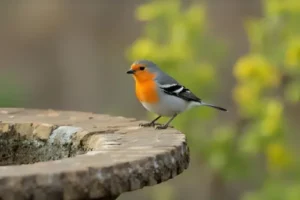
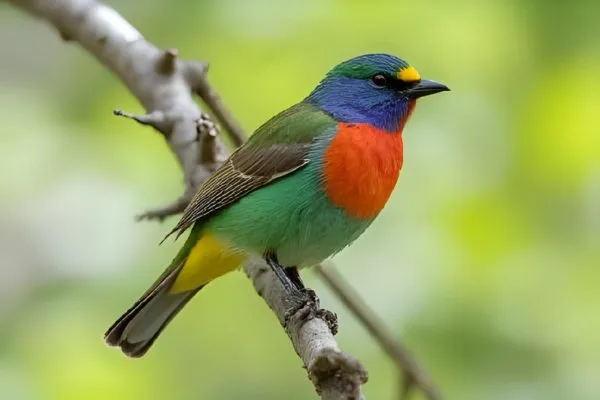
Did you know that less than 5% of birdwatchers will ever spot a Painted Bunting in the wild, despite this stunning species inhabiting parts of North America? The world of rare bird observation represents the pinnacle of birdwatching achievement, where patience, skill, and knowledge converge to create unforgettable wildlife encounters.
The Challenge: Most dedicated birdwatchers struggle to locate rare species due to inadequate preparation, poor timing, and insufficient understanding of habitat requirements. These elusive birds often remain hidden in plain sight, missed by even experienced observers who lack the specific techniques required for successful rare bird detection.
Your Transformation: This comprehensive guide will equip you with proven strategies used by professional ornithologists and expert birders to consistently locate 15 of the world’s most sought-after rare species. You’ll master advanced identification techniques, optimal timing strategies, and habitat analysis methods that dramatically increase your success rate in finding these extraordinary birds.
Understanding Bird Rarity: What Makes a Species Hard to Find
Bird rarity stems from multiple interconnected factors that create the perfect storm of elusiveness. Population dynamics play the primary role – species with naturally small populations, restricted ranges, or specific habitat requirements automatically fall into the rare category.
Geographic Distribution Factors:
- Endemic species confined to isolated regions
- Edge-of-range populations with irregular occurrence
- Migratory species with unpredictable routes
- Habitat specialists requiring pristine environments
Behavioral Characteristics:
- Secretive nature and skulking behavior
- Crepuscular or nocturnal activity patterns
- Preference for dense cover or remote locations
- Limited vocalization periods
According to recent studies from the Cornell Lab of Ornithology, approximately 40% of North American bird species have experienced population declines over the past 50 years, making previously common species increasingly rare in many regions.
Top 15 Rare Birds Every Birdwatcher Should Know
North American Rarities
1. Painted Bunting (Passerina ciris) The “most beautiful bird in North America” according to Audubon, males display brilliant red underparts, blue heads, and green backs. Found in brushy areas and woodland edges across the southeastern United States from April to September.
Key Identification: Males are unmistakable; females show green upperparts with yellowish underparts, easily confused with female Indigo Buntings.
2. Cerulean Warbler (Setophaga cerulea) This azure-blue warbler has experienced a 70% population decline since the 1960s. Males feature distinct white wing bars and a dark necklace across the chest.
Habitat Preference: Mature deciduous forests with large trees, particularly oak-hickory associations in eastern North America.
3. Golden-cheeked Warbler (Setophaga chrysoparia) Endemic to Texas hill country, this species depends exclusively on mature Ashe juniper bark for nesting. The striking black and white plumage with golden cheek patches makes identification straightforward.
Critical Timing: Present only from March through July during breeding season.
4. California Clapper Rail (Rallus obsoletus) Now extremely rare in San Francisco Bay salt marshes, this secretive rail requires specific tidal conditions for optimal viewing opportunities.
Best Detection Method: Listen for distinctive “kek-kek-kek” call series during high tide periods at dawn or dusk.
5. Kirtland’s Warbler (Setophaga kirtlandii) One of North America’s most range-restricted songbirds, breeding almost exclusively in young jack pine forests of Michigan’s Lower Peninsula.
Conservation Success: Population recovery from 167 pairs in 1974 to over 5,000 pairs today represents one of conservation’s greatest achievements.
European Elusive Species
6. Capercaillie (Tetrao urogallus) Europe’s largest grouse species inhabits mature coniferous forests across Scandinavia and the Scottish Highlands. Males can reach 35 inches in length with distinctive fan-shaped tails.
Behavioral Note: Dawn lek displays in April-May provide the best observation opportunities, though extreme caution is required to avoid disturbance.
7. Great Bustard (Otis tarda) The world’s heaviest flying bird, with males reaching 40 pounds. Small populations persist in Spain, Eastern Europe, and reintroduced populations in southern England.
Habitat Requirements: Extensive grasslands and agricultural areas with minimal human disturbance.
8. White-tailed Eagle (Haliaeetus albicilla) Successfully reintroduced to Scotland after local extinction, these massive raptors feature 8-foot wingspans and distinctive white tail feathers in adults.
Age Identification: Juveniles lack the characteristic white tail, developing adult plumage over 4-5 years.
Oceanic and Coastal Rarities
9. Wandering Albatross (Diomedea exulans) Possessing the largest wingspan of any living bird at nearly 12 feet, these oceanic wanderers spend most of their lives at sea around the Southern Ocean.
Viewing Opportunities: Pelagic trips from New Zealand, Tasmania, and southern Australia offer the best chances.
10. Ivory Gull (Pagophila eburnea) This Arctic specialist with pure white plumage breeds in the high Arctic and winters along ice edges. Climate change has significantly impacted their sea ice habitat.
Critical Identification: Adults are entirely white with dark eyes and legs; juveniles show black markings.
11. Ross’s Gull (Rhodostethia rosea) The “holy grail” of gull watching, this small Arctic species features a distinctive wedge-shaped tail and rosy breast coloration during breeding season.
Prime Locations: Barrow, Alaska during fall migration and Churchill, Manitoba in late autumn.
Australian and New Zealand Specialties
12. Orange-bellied Parrot (Neophema chrysogaster) Critically endangered with fewer than 50 individuals remaining in the wild. This small parrot breeds in Tasmania and winters in coastal Victoria and South Australia.
Urgent Status: Intensive conservation efforts include captive breeding programs to prevent extinction.
13. Kakapo (Strigops habroptilus) The world’s only flightless parrot, with just over 250 individuals surviving on predator-free islands around New Zealand.
Access Restrictions: Viewing requires special permits and guided tours due to extreme conservation sensitivity.
14. Lord Howe Island Woodhen (Hypotaenidia sylvestris) Endemic to Lord Howe Island, this flightless rail recovered from just 15 individuals in the 1970s to over 300 today.
Island Access: Limited visitor permits make this one of the most logistically challenging rare birds to observe.
15. Plains-wanderer (Pedionomus torquatus) Australia’s most enigmatic bird, more closely related to shorebirds than quails despite terrestrial habits. Females are larger and more colorful than males.
Habitat Challenge: Requires intact native grasslands, now extremely fragmented across southeastern Australia.
Expert Techniques for Spotting Rare Birds
Optimal Timing and Seasons
Migration Windows: Peak migration periods offer concentrated opportunities for rare bird detection. Spring migration from April to early June provides extended observation periods as birds establish territories and vocalize frequently.
Daily Activity Patterns:
- Dawn Chorus (5:00-7:00 AM): Maximum vocal activity
- Evening Activity (6:00-8:00 PM): Secondary peak for many species
- Weather Fronts: Post-storm conditions often concentrate migrants
Seasonal Considerations: Fall migration presents identification challenges due to juvenile plumages and reduced vocalizations, but offers vagrant possibilities as birds navigate unfamiliar territories.
Habitat Research and Location Scouting
Microhabitat Analysis: Successful rare bird finding requires understanding specific microhabitat preferences. Edge zones between habitat types often concentrate rare species during migration and breeding seasons.
eBird Data Mining: Utilize eBird’s abundance maps and bar charts to identify:
- Historical occurrence patterns
- Peak abundance periods
- Reliable hotspot locations
- Recent sighting trends
Local Expert Networks: Connect with regional birding groups and rare bird alert systems. Many rare bird locations require local knowledge of access points and private property permissions.
Advanced Field Identification Methods
Vocalization Mastery: Rare birds often remain hidden but betray their presence through distinctive calls. Memorize:
- Primary songs and calls
- Contact notes during migration
- Alarm calls indicating disturbance
Behavioral Signatures: Each species exhibits unique behavioral patterns:
- Foraging techniques and preferred prey
- Flight patterns and wing beat rates
- Social behaviors and flock associations
Plumage Variation Understanding: Comprehend age and seasonal plumage variations to avoid misidentification. Many rare birds show dramatic differences between:
- Adult breeding vs. non-breeding plumages
- Juvenile vs. adult characteristics
- Regional subspecies variations
Essential Equipment for Rare Bird Detection
Optical Equipment Hierarchy:
- Premium Binoculars (8×42 or 10×42): Zeiss, Swarovski, or Leica for critical light conditions
- Spotting Scope: 20-60x magnification for distant identification
- Camera with Telephoto Lens: Documentation for verification
Technology Integration:
- Merlin Bird ID App: Real-time identification assistance
- eBird Mobile: Instant sighting reporting and hotspot navigation
- BirdNET App: Automated call identification and verification
Field References:
- Regional field guides with range maps
- Molt and aging guides for challenging identifications
- Voice recordings for comparative analysis
Conservation Status and Ethical Observation
IUCN Red List Classifications: Understanding conservation status enhances appreciation and guides ethical behavior:
- Critically Endangered: Immediate extinction risk (Kakapo, Orange-bellied Parrot)
- Endangered: Very high extinction risk (Kirtland’s Warbler – recovered)
- Vulnerable: High extinction risk (Cerulean Warbler)
Responsible Viewing Protocols:
- Maintain minimum 15-foot distance from nesting areas
- Avoid playback during breeding season
- Report sightings to conservation organizations
- Respect private property and access restrictions
Citizen Science Contributions: Rare bird observations contribute valuable data to:
- Population monitoring programs
- Range expansion documentation
- Climate change impact studies
- Conservation priority assessments
Document observations with:
- Precise GPS coordinates
- Detailed behavior descriptions
- Environmental condition notes
- Photographic evidence when possible
Conclusion
Mastering rare bird detection transforms ordinary birdwatching into extraordinary wildlife encounters. The 15 species covered in this guide represent diverse challenges that will test and expand your observational skills across multiple continents and habitats.
Key Success Factors:
- Thorough pre-trip research and habitat analysis
- Optimal timing based on migration and breeding patterns
- Advanced identification skills including vocalizations and behavior
- Ethical observation practices that prioritize conservation
Your Next Steps: Begin with locally rare species to develop foundational skills before pursuing globally rare birds. Join local birding groups, participate in citizen science projects, and continuously refine your identification abilities through regular practice.
The pursuit of rare birds demands patience, persistence, and respect for both the species and their habitats. Each successful sighting represents not just a personal achievement, but a contribution to our understanding and conservation of these irreplaceable natural treasures.
Remember that rare bird observation serves a greater purpose beyond personal satisfaction – your sightings contribute to crucial scientific databases that inform conservation decisions and protect these species for future generations of birdwatchers.
FAQ
What’s the best time of year to search for rare birds?
Spring migration (April-May) offers optimal opportunities as birds are actively singing, establishing territories, and more visible. Fall migration provides vagrant possibilities but requires advanced identification skills due to cryptic plumages.
How can I distinguish between genuinely rare birds and common species in unusual locations?
Focus on multiple identification criteria including size, behavior, habitat preference, and vocalizations. Document sightings with photos and detailed notes, then consult local experts or submit to rare bird committees for verification.
What equipment investment should I prioritize for rare bird detection?
Invest in high-quality 8×42 binoculars first, followed by a reliable field guide and smartphone apps like Merlin and eBird. A spotting scope becomes valuable for shorebirds and distant waterfowl identification.
How do I access private lands where rare birds are often found?
Contact landowners directly with professional courtesy, explain your conservation interests, and offer to share sighting data. Many birding organizations maintain relationships with private landowners and can facilitate access through organized trips.