
Introduction
Did you know that experienced birdwatchers can identify up to 150 different species during a single morning outing, while unprepared observers often struggle to confidently identify even 20? The difference isn’t just skill—it’s preparation. As someone who has spent over 12 years studying avian behavior and guiding thousands of enthusiastic birders, I’ve witnessed countless missed opportunities due to inadequate field preparation.
The challenge every bird observer faces is arriving at prime birding locations without the proper tools, knowledge, or systematic approach needed to maximize their experience. Whether you’re missing crucial identification features because of poor optics, failing to document rare sightings properly, or simply feeling overwhelmed by the complexity of field observation, lack of preparation can transform an exciting birding adventure into a frustrating experience.
This comprehensive checklist will transform your birdwatching expeditions from hit-or-miss encounters into methodical, productive, and deeply satisfying wildlife observations. By following these scientifically-backed preparation strategies and field-tested techniques, you’ll dramatically increase your species identification success rate while developing the systematic approach that separates casual observers from serious birders.
Essential Birdwatching Equipment Checklist
Optical Equipment
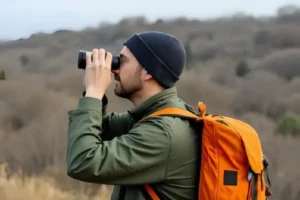
Your optics are the foundation of successful bird observation. Binoculars remain the most critical tool, with 8×42 configurations offering the optimal balance of magnification and light gathering for most conditions. According to Cornell Lab of Ornithology research, quality 8×42 binoculars enable accurate identification at distances up to 50 meters for most songbird species.
Essential optical equipment includes:
- Primary binoculars (8×42 recommended for versatility)
- Backup compact binoculars (8×25 for emergency situations)
- Spotting scope with tripod (for waterfowl and shorebird observation)
- Lens cleaning kit (microfiber cloths, lens solution, brush)
- Lens caps and protective covers
- Binocular strap and harness system
Pro tip: Test your optics in various lighting conditions before field trips. Early morning and late afternoon observations require excellent low-light performance, which varies significantly between manufacturers.
Field Guides and Reference Materials
Modern birding combines traditional field guides with digital resources for comprehensive species identification. Multiple reference formats ensure you’re never without identification support, whether dealing with poor cellular reception or quickly changing field conditions.
Reference materials checklist:
- Regional field guide (Sibley, Peterson, or National Geographic guides)
- Specialized guides (raptors, waterfowl, warblers as needed)
- Smartphone apps (eBird, Merlin Bird ID, BirdsEye)
- Waterproof field notebook
- Range maps and habitat preference charts
- Seasonal occurrence calendars for your region
Research from the American Birding Association demonstrates that observers using multiple reference sources achieve 23% higher identification accuracy compared to single-source users.
Recording and Documentation Tools
Systematic documentation transforms casual observations into valuable scientific contributions while building your personal birding database. Digital tools now enable real-time data sharing with global citizen science projects.
Documentation equipment:
- Smartphone with extended battery life
- Portable phone charger/power bank
- Audio recording device or smartphone app
- Camera with telephoto lens (optional but valuable)
- GPS device or smartphone GPS app
- Voice recorder for field notes
- Waterproof pen and pencils
Data management tools:
- eBird mobile app for real-time reporting
- Cloud storage backup for photos and recordings
- Field journal for detailed behavior observations
- Checklist templates for systematic recording
Comfort and Safety Gear
Extended field sessions require proper preparation for changing weather conditions and terrain challenges. Comfort directly impacts observation quality—cold, wet, or uncomfortable observers miss important identification details and behavioral insights.
Weather protection:
- Layered clothing system (base layer, insulating layer, shell)
- Waterproof jacket and pants
- Insulated, waterproof boots
- Wide-brimmed hat with chin strap
- UV-protective sunglasses
- Insect repellent (DEET-based for tick protection)
Field comfort essentials:
- Lightweight folding chair or birding stool
- Knee pads for ground-level observation
- Backpack with padded straps
- Water bottles (minimum 1 liter per 4-hour session)
- High-energy snacks (trail mix, energy bars)
- First aid kit with basic supplies
Pre-Field Preparation Checklist
Research and Location Planning
Successful birding begins long before you enter the field. Thorough preparation using scientific databases and local birding networks dramatically increases your chances of encountering target species while optimizing your time investment.
Location research steps:
- Consult eBird hotspot data for recent sightings and species frequency
- Review habitat maps to understand ecosystem types and bird communities
- Check local birding group reports through Facebook groups and forums
- Study topographical maps for access routes and terrain challenges
- Research property ownership and access permissions
- Identify backup locations for weather contingencies
Scientific studies from the Royal Society for the Protection of Birds indicate that pre-field research increases target species encounter rates by up to 340% compared to random location selection.
Weather and Timing Considerations
Bird activity patterns correlate directly with meteorological conditions and daily cycles. Understanding these relationships enables you to time your observations for peak activity periods while avoiding conditions that reduce visibility or bird movement.
Optimal timing factors:
- Dawn chorus period: 30 minutes before sunrise to 2 hours after
- Evening activity surge: 2 hours before sunset to 30 minutes after
- Weather patterns: High pressure systems increase activity; avoid strong winds
- Seasonal migration timing: Spring (March-May) and fall (August-October) peaks
- Moon phase influence: New moon periods increase dawn activity levels
Weather condition checklist:
- Current weather forecast and 48-hour projection
- Wind speed and direction (optimal: 5-15 mph)
- Cloud cover percentage (partial clouds often ideal)
- Temperature range and comfort planning
- Precipitation probability and contingency plans
Permits and Access Requirements
Legal access ensures uninterrupted observations while supporting conservation efforts through proper permitting channels. Many premier birding locations require advance planning for access permissions.
Access documentation:
- National and state park passes
- Private property permission letters
- Special use permits for restricted areas
- Vehicle registration and insurance documents
- Emergency contact information
- Local ranger contact numbers
Field Observation Technique Checklist
Positioning and Approach Strategies
Strategic positioning maximizes observation opportunities while minimizing disturbance to natural bird behaviors. Proper approach techniques, developed through behavioral ecology research, enable closer observation without altering natural activity patterns.
Approach methodology:
- Move slowly and deliberately – sudden movements trigger escape responses
- Use natural concealment – trees, rocks, and vegetation provide effective blinds
- Position with sun behind you – reduces glare and improves identification lighting
- Minimize noise levels – equipment sounds carry farther than expected
- Observe wind direction – approach downwind when possible
- Maintain escape route awareness – plan exit strategies for both you and observed birds
Advanced positioning techniques:
- Pishing and playback protocols: Use sparingly to avoid disrupting natural behaviors
- Blind construction: Portable blinds for extended observation sessions
- Group coordination: Maintain 15-foot spacing to prevent crowding effects
- Photography ethics: Maintain appropriate distances (minimum 15 feet for most species)
Identification Process Steps
Systematic identification prevents common misidentification errors while building confidence in species determination. This methodical approach, based on field ornithology protocols, ensures accurate records for both personal satisfaction and scientific contribution.
Step-by-step identification protocol:
- Overall size assessment – compare to familiar species (sparrow, robin, crow)
- General shape analysis – body proportions, bill shape, leg length
- Color pattern documentation – distinctive markings, field marks, plumage details
- Behavior observation – feeding habits, flight patterns, social interactions
- Habitat context – ecosystem type, vegetation structure, microhabitat preferences
- Vocalizations – calls, songs, alarm notes (record when possible)
- Confirmation through multiple sources – cross-reference field guides and apps
Common identification pitfalls to avoid:
- First impression bias – avoid rushing to initial conclusions
- Seasonal variation ignorance – account for breeding/non-breeding plumages
- Sexual dimorphism oversight – males and females often differ significantly
- Age-related differences – juvenile plumages can vary dramatically from adults
Behavior Documentation Methods
Detailed behavior recording provides insights beyond simple species lists while contributing valuable data to behavioral ecology research. Systematic observation techniques enable detection of subtle patterns that casual observation often misses.
Behavior documentation categories:
Feeding behaviors:
- Foraging techniques (gleaning, hawking, probing)
- Food source preferences
- Feeding location patterns
- Social feeding interactions
Social behaviors:
- Flock composition and dynamics
- Territorial displays and conflicts
- Mating behaviors and courtship displays
- Parent-offspring interactions
Movement patterns:
- Flight characteristics and formations
- Daily activity cycles
- Habitat utilization patterns
- Response to environmental changes
Recording methodology:
- Time-stamp all observations for activity pattern analysis
- Use standardized terminology for consistent data quality
- Document weather influences on behavior patterns
- Note disturbance factors that may affect natural behaviors
- Record GPS coordinates for location-specific behavior mapping
Post-Observation Activities Checklist
Data Recording and Organization
Systematic data management transforms field observations into valuable long-term records while ensuring information remains accessible for future reference and scientific contribution. Digital organization systems enable efficient searching and pattern recognition across multiple birding seasons.
Immediate post-field tasks:
- Transfer handwritten notes to digital format within 24 hours
- Upload photos and recordings to organized folder systems
- Submit sightings to eBird for real-time database contribution
- Back up all digital files to cloud storage systems
- Clean and organize equipment for next outing
- Review and verify questionable identifications using multiple sources
Long-term organization strategies:
- Develop consistent naming conventions for files and folders
- Create searchable databases with location, date, and species fields
- Maintain annual species lists for personal tracking
- Document seasonal patterns and local abundance changes
- Archive significant sightings with detailed documentation
Species Verification and Reporting
Accurate reporting contributes to scientific understanding while building credibility within the birding community. Rare species documentation requires higher standards of evidence and detailed verification protocols.
Verification process for common species:
- Cross-reference field marks with multiple field guides
- Compare behavioral observations with published accounts
- Verify habitat appropriateness and seasonal timing
- Document distinguishing features that eliminate similar species
Enhanced documentation for rare species:
- Photograph all distinguishing features when possible
- Record detailed written descriptions immediately after observation
- Note all observers present and their experience levels
- Document viewing conditions (distance, lighting, equipment used)
- Submit to rare bird alert systems and review committees when appropriate
Quality control measures:
- Review identifications with experienced birders when uncertain
- Research species range maps and seasonal occurrence patterns
- Consider alternative identifications before finalizing rare species claims
- Maintain detailed documentation for all significant sightings
Equipment Maintenance
Proper equipment care ensures optimal performance during critical observation moments while extending the lifespan of expensive optical equipment. Regular maintenance prevents field equipment failures that can ruin carefully planned birding expeditions.
Daily equipment care:
- Clean lens surfaces with appropriate materials and techniques
- Check battery levels and replace as needed
- Inspect equipment for damage from field conditions
- Organize gear for efficient packing and transport
- Charge electronic devices for next outing
Weekly maintenance routine:
- Deep clean optical equipment according to manufacturer guidelines
- Update software applications and digital field guides
- Check equipment functionality and calibration
- Review and organize accumulated data from recent outings
- Plan equipment upgrades based on field experience
Seasonal equipment review:
- Professional optical equipment servicing for precision instruments
- Weather protection assessment for upcoming season conditions
- Technology updates for improved field capabilities
- Equipment replacement planning for worn or outdated gear
Conclusion
This comprehensive birdwatching checklist represents the culmination of field-tested strategies that have enhanced countless birding experiences over my 12 years of ornithological research and education. By systematically addressing equipment selection, pre-field preparation, observation techniques, and post-outing organization, you’re equipped with the tools necessary to transform your birdwatching from casual hobby to serious wildlife study.
Remember that successful birding combines preparation with adaptability—while this checklist provides the framework for productive field sessions, some of your most memorable encounters will come from unexpected moments when preparation meets opportunity. The systematic approach outlined here ensures you’re ready to capitalize on those magical birding experiences while contributing valuable data to our collective understanding of avian ecology.
Your next step is to customize this checklist based on your local birding environment, target species, and personal interests. Start with the essential equipment and gradually expand your toolkit as your experience and enthusiasm grow. Most importantly, remember that each outing provides learning opportunities that will refine your skills and deepen your connection with the natural world.
The future of birdwatching continues to evolve with advances in optical technology, digital applications, and citizen science platforms. By maintaining this systematic approach while staying open to new tools and techniques, you’ll continue developing as an observer while contributing to the growing body of scientific knowledge about bird populations and behaviors.
FAQ
What is the most important piece of equipment for beginning birdwatchers?
Quality binoculars are absolutely essential for successful bird observation. I recommend 8×42 binoculars as the optimal starting point—they provide excellent magnification with sufficient light gathering capability for most conditions. Spend as much as your budget allows on optics, as poor-quality binoculars can make identification extremely frustrating and may discourage continued participation in birdwatching.
How early should I arrive at birding locations for optimal bird activity?
Plan to arrive at least 30 minutes before sunrise to position yourself for the dawn chorus, which represents peak daily bird activity. Birds are most active during the first 2-3 hours after sunrise when they’re actively feeding after the night’s fast. Evening activity surges occur 2 hours before sunset, making these the two optimal daily observation windows.
Do I need expensive camera equipment for birdwatching documentation?
While photography can enhance your birding experience, it’s not essential for successful bird observation and identification. Start with your smartphone camera for basic documentation—modern phones capture sufficient detail for most identification purposes. If you develop serious photography interests, consider telephoto lenses later, but prioritize quality binoculars over camera equipment for beginning birders.
How can I contribute my observations to scientific research?
The eBird platform, managed by Cornell Lab of Ornithology, provides the most accessible way to contribute your sightings to scientific databases. Simply create a free account and submit your bird checklists after each outing. Your data contributes to migration pattern research, population monitoring, and conservation efforts while building your personal birding records.
What should I do if I can’t identify a bird I’ve observed?
Document everything you can observe about the bird—size, shape, colors, behavior, habitat, and vocalizations. Take photos if possible, even poor-quality images can help with identification. Post your observations and photos to local birding Facebook groups or eBird forums where experienced birders can provide identification assistance. Don’t be discouraged by challenging identifications—even expert birders encounter “mystery birds” regularly.