Birdwatching has experienced a remarkable surge in popularity, with over 45 million Americans participating in this rewarding hobby according to the U.S. Fish and Wildlife Service. What was once considered a niche pursuit has blossomed into one of the fastest-growing outdoor activities, attracting people of all ages who seek meaningful connections with nature.
The Problem: Many aspiring birdwatchers feel overwhelmed when starting their journey. Questions flood their minds: “What equipment do I really need?” “How do I identify different species?” “Where should I begin?” This initial uncertainty often prevents nature enthusiasts from taking their first steps into the fascinating world of avian observation.
The Promise: This comprehensive guide will transform you from a curious beginner into a confident birdwatcher. You’ll discover essential equipment recommendations, proven identification techniques, and practical strategies that will have you spotting and identifying birds with growing expertise. By the end of this article, you’ll possess the knowledge and confidence to embark on your birdwatching adventure, armed with techniques developed through over 12 years of field research and education.
What is Birdwatching and Why Start?
Birdwatching, also known as birding, is the observation and identification of wild birds in their natural habitats. This accessible hobby requires no special athletic ability or expensive membership fees – just curiosity and patience.
The Science-Backed Benefits
Research from Stanford University demonstrates that birdwatching provides measurable mental health benefits, including reduced anxiety and improved focus. The practice combines gentle physical activity with mindful observation, creating what psychologists call “soft fascination” – a relaxed state of attention that allows mental restoration.
Connection to Nature and Conservation
Every birdwatcher becomes an informal wildlife conservationist. The Audubon Society’s annual Christmas Bird Count, powered by citizen scientists, has collected over 120 years of data crucial for understanding bird population trends and migration patterns. Your observations contribute to this vital conservation effort.
Essential Birdwatching Equipment for Beginners
Starting your birdwatching journey doesn’t require expensive gear. Focus on quality basics that will serve you well as your skills develop.
Binoculars: Your Most Important Tool
Recommended Specifications:
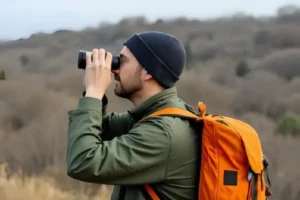
Magnification: 8×42 or 8×32 (8x magnification, 42mm or 32mm objective lens)
Weight: Under 25 ounces for comfortable extended use
Price Range: 150−400 for quality beginner models
Popular beginner-friendly options include the Nikon Monarch 5 8×42 and Celestron Nature DX 8×42. Avoid magnifications higher than 10x – they’re harder to hold steady and provide narrower fields of view.
Field Guides and Identification Resources
Physical Field Guides:
“The Sibley Guide to Birds” by David Allen Sibley
“National Geographic Field Guide to the Birds of North America”
Regional guides specific to your area
Digital Resources:
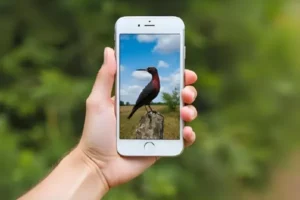
Merlin Bird ID (Cornell Lab): Free app with photo, sound, and eBird integration
eBird: Global database for recording and sharing observations
Audubon Bird Guide: Comprehensive app with range maps and calls
Recording and Documentation Tools
Essential Items:
Small notebook or smartphone for field notes
Pen that works in wet conditions
Camera with decent zoom (optional but helpful)
Comfortable, weather-appropriate clothing
Basic Bird Identification Techniques
Successful bird identification relies on systematic observation of key characteristics. Develop these skills progressively, focusing on one element at a time.
Size and Shape Assessment
Size Categories:
Small: Sparrow-sized (5-6 inches)
Medium: Robin-sized (8-10 inches)
Large: Crow-sized (15-18 inches)
Very Large: Goose-sized (25+ inches)
Shape Elements:
Overall body proportions
Bill shape and size
Leg length relative to body
Wing shape during flight
Color Patterns and Field Marks
Primary Identification Features:
Field marks: Distinctive features like eye rings, wing bars, or tail patterns
Overall coloration: Note dominant colors and their distribution
Seasonal variations: Many species have different breeding and non-breeding plumages
Sexual dimorphism: Males and females often differ significantly
Behavioral Observation
Birds reveal their identity through consistent behavioral patterns:
Feeding Behavior:
Ground foragers: Sparrows, thrushes scratch and hop
Aerial hunters: Flycatchers dart from perches to catch insects
Probing species: Woodpeckers, nuthatches climb tree trunks
Flight Patterns:
Undulating: Woodpeckers, finches fly in wave-like patterns
Direct: Crows, doves fly in straight lines
Soaring: Hawks, eagles use thermals with minimal wing beats
Habitat and Range Considerations
Understanding habitat preferences dramatically narrows identification possibilities. A small brown bird in a marsh is likely different from one in a pine forest, even if they appear similar at first glance.
Best Places to Start Birdwatching
Success in birdwatching often depends more on location selection than expensive equipment. Start with accessible, bird-rich environments near your home.
Urban and Suburban Locations
City Parks: These green spaces concentrate birds and offer easy access. Look for parks with diverse habitats – ponds, mature trees, and open areas.
Residential Areas: Your own backyard can yield 20-30 species with proper observation. Focus on:
Early morning activity (6-8 AM)
Late afternoon feeding periods (4-6 PM)
Areas with bird feeders or water sources
Natural Areas for Beginners
Nature Preserves: Local Audubon chapters often maintain beginner-friendly trails with bird-focused signage and guided walks.
Water Bodies: Lakes, rivers, and wetlands concentrate waterfowl, waders, and songbirds. The variety and predictable locations make identification easier for beginners.
Timing Your Observations
Seasonal Considerations:
Spring Migration (March-May): Peak diversity and activity
Breeding Season (May-July): Consistent territories and singing behavior
Fall Migration (August-October): Different plumages but high numbers
Winter (November-February): Fewer species but easier identification
Daily Patterns:
Dawn Chorus (30 minutes before sunrise): Peak vocal activity
Morning Activity (2-4 hours after sunrise): Active feeding
Evening Activity (2-3 hours before sunset): Second feeding peak
Common Beginner Mistakes to Avoid
Learning from typical pitfalls accelerates your development as a skilled observer.
Equipment-Related Errors
Over-purchasing Gear: Resist buying expensive equipment before developing basic skills. Many beginners purchase 10×50 binoculars that prove too heavy and unstable for extended use.
Neglecting Comfort: Uncomfortable clothing or footwear ends sessions prematurely. Invest in weather-appropriate, quiet clothing before upgrading binoculars.
Observation Technique Mistakes
Moving Too Quickly: Birds detect rapid movements from considerable distances. Practice slow, deliberate motions and freeze when birds appear alert.
Talking Loudly: Maintain conversational volumes or use whispers. Many beginners unconsciously raise their voices when excited about sightings.
Unrealistic Expectations: Expecting immediate expert-level identifications leads to frustration. Celebrate partial identifications and gradual skill development.
Documentation Errors
Inadequate Field Notes: Recording only species names loses valuable learning opportunities. Note weather, time, behavior, and habitat details.
Rushing Identification: Trying to name every bird immediately prevents careful observation. Spend time watching behavior and noting characteristics before consulting guides.
Building Your Birdwatching Skills
Consistent improvement requires structured practice and community engagement. Develop your abilities through progressive challenges and social learning.
Daily Practice Strategies
Observation Exercises:
Spend 5 minutes daily observing common backyard birds
Practice describing birds without immediately identifying them
Compare similar species in field guides during indoor time
Skill-Building Activities:
Learn 5-10 common local species thoroughly before expanding
Practice flight pattern recognition from a distance
Develop ability to estimate bird sizes using familiar references
Joining the Birdwatching Community
Local Organizations:
Audubon Society chapters offer regular guided walks and educational programs
Bird clubs provide mentorship opportunities and group outings
Nature centers often host beginner-friendly events and workshops
Digital Communities:
eBird connects you with local birders and rare bird alerts
Facebook groups for regional birding offer identification help and location tips
Birding forums like BirdForum.net provide expert assistance for challenging identifications
Contributing to Citizen Science
eBird Participation: Cornell Lab’s eBird platform transforms your observations into valuable scientific data. Regular submissions help track population trends, migration timing, and range changes.
Project FeederWatch: This winter-long survey focuses on backyard birds visiting feeders, perfect for beginners developing identification skills.
Christmas Bird Count: Join the world’s longest-running citizen science project, contributing to over 120 years of bird population data.
Advanced Skill Development
Photography Integration: As identification skills improve, bird photography can enhance documentation and provide detailed study opportunities.
Sound Recognition: Learning common bird calls and songs doubles identification opportunities, especially during peak activity periods when birds remain hidden in vegetation.
Seasonal Specialization: Develop expertise in specific seasons or habitats that particularly interest you, such as winter waterfowl or spring warbler migration.
Conclusion
Birdwatching offers a perfect blend of outdoor adventure, scientific learning, and peaceful observation that enriches daily life in measurable ways. Starting with basic equipment – quality 8×42 binoculars, a regional field guide, and comfortable outdoor clothing – you’re prepared for years of rewarding discovery.
Remember that every expert birder started exactly where you are now. Focus on learning common local species thoroughly before expanding your range, practice patient observation techniques, and connect with local birding communities for guidance and shared experiences.
Your journey into birdwatching contributes to important conservation science while providing personal benefits of stress reduction, physical activity, and meaningful nature connection. Whether you discover 20 species in your backyard or travel to observe exotic species worldwide, you’re joining a global community of passionate observers committed to understanding and protecting our planet’s remarkable avian diversity.
The birds are waiting – your adventure begins with the first step outside and the decision to truly see the natural world around you.
Frequently Asked Questions
How much should I spend on my first pair of binoculars?
Budget 150−300 for quality beginner binoculars. This investment provides clear optics that won’t frustrate your learning process. Avoid very cheap models under $100, which often have poor image quality and uncomfortable ergonomics.
What’s the difference between birdwatching and birding?
The terms are often used interchangeably, though “birding” sometimes implies more serious pursuit with advanced identification skills and listing goals. Both describe the same fundamental activity of observing and identifying wild birds.
How many species should I expect to see as a beginner?
Realistic expectations vary by location and season. Most beginners can identify 15-25 species in their local area within the first few months. Focus on learning these common species thoroughly rather than maximizing your total count.
Is birdwatching possible if I live in a city?
Absolutely! Urban areas often support 50+ bird species, including surprising diversity in city parks and green spaces. Many major cities lie along migration routes, offering excellent seasonal birding opportunities.
What time of day is best for birdwatching?
Early morning (dawn to 3 hours after sunrise) typically offers peak bird activity. Many species feed actively after dawn, and territorial singing helps with identification. Evening periods 2-3 hours before sunset provide a secondary activity peak.
How do I find other birdwatchers in my area?
Contact your local Audubon Society chapter, check nature center event calendars, or search Facebook for regional birding groups. Many areas also have active eBird communities that organize group outings and rare bird alerts.