Every year, more than 57 million Americans spend over $4 billion on bird food, yet recent studies from Cornell University reveal that nearly 60% of backyard bird feeding practices inadvertently harm the very species we’re trying to help. From offering inappropriate foods to creating dependency issues, well-intentioned bird enthusiasts often make critical mistakes that can lead to malnutrition, disease transmission, and disrupted natural behaviors in local bird populations.
The challenge lies in distinguishing between helpful and harmful feeding practices. Many traditional approaches—like offering bread to ducks or maintaining dirty feeders—can cause serious health problems, while overlooking essential elements like proper feeder placement can expose birds to predators and environmental hazards.
This comprehensive guide will transform you into a responsible bird feeding steward, providing scientifically-backed dos and don’ts that ensure your backyard becomes a genuine sanctuary. You’ll learn to create feeding environments that support bird health, promote natural behaviors, and contribute positively to local ecosystems—turning your good intentions into meaningful conservation action.
The Essential Dos of Bird Feeding
Choose Species-Appropriate Foods
High-quality, species-specific nutrition forms the foundation of responsible bird feeding. Research from the Smithsonian Institution demonstrates that offering appropriate foods can increase survival rates during harsh weather conditions by up to 35%.
Black oil sunflower seeds serve as the gold standard for most songbirds. Their high fat content and thin shells make them accessible to cardinals, chickadees, nuthatches, and finches. Unlike striped sunflower seeds, the black variety offers superior nutrition with easier access for smaller species.
Nyjer (thistle) seeds attract goldfinches, siskins, and redpolls specifically. These tiny, oil-rich seeds require specialized tube feeders with small ports, preventing waste while accommodating the feeding behaviors of these specialized species.
Safflower seeds provide an excellent alternative in areas with squirrel pressure, as most mammals find them unpalatable while cardinals, chickadees, and doves readily consume them. This creates a natural filtering system for your feeding station.
Suet and high-quality suet cakes supply essential fats for woodpeckers, nuthatches, and creepers. During winter months, these calories become crucial for maintaining body temperature and supporting the high-energy lifestyle these species require.
Maintain Clean and Safe Feeders
Feeder hygiene directly impacts bird health and disease prevention. The Audubon Society recommends cleaning feeders every two weeks during normal conditions and weekly during heavy use or wet weather.
Monthly deep cleaning protocol involves disassembling feeders completely, washing with a 10% bleach solution, and allowing thorough air drying before refilling. This process eliminates harmful bacteria, fungi, and parasites that accumulate in feeding environments.
Daily maintenance includes removing old, moldy, or wet food immediately. Spoiled seeds can harbor Aspergillus fungi, which produces aflatoxins lethal to birds. Visual inspection during refilling helps identify potential hazards before they become serious problems.
Strategic feeder rotation prevents overuse of single locations while allowing natural cleaning through weather exposure. Maintaining multiple feeding stations and alternating their use reduces pathogen buildup while providing birds with varied foraging opportunities.
Provide Fresh Water Sources
Water access often proves more critical than food availability, especially during drought conditions or winter freezes. Birds require water for drinking and bathing, with both functions essential for health and survival.
Shallow water features measuring 1-2 inches deep accommodate the bathing preferences of most songbird species. Deeper sources may deter smaller birds while creating drowning risks for fledglings and weaker individuals.
Moving water elements like drippers, fountains, or waterfalls attract birds through auditory cues while preventing stagnation. The sound of flowing water can draw species from considerable distances, expanding your backyard’s appeal to diverse populations.
Winter water management requires heated bird baths or thermal elements to maintain unfrozen access. Dehydration poses significant risks during cold periods when natural water sources freeze, making artificial sources potentially life-saving.
Position Feeders Strategically
Proper feeder placement balances accessibility with safety, creating environments where birds can feed efficiently while maintaining escape routes from predators.
Cover proximity of 3-10 feet from shrubs, trees, or other shelter allows quick escapes while preventing excessive cover that might harbor predators. This distance provides optimal reaction time for birds detecting threats.
Height variations accommodate different species’ feeding preferences. Ground-level scattered seeds attract sparrows and juncos, while elevated feeders serve finches and cardinals. Multiple height options create diverse feeding niches.
Spacing between feeders reduces competition and aggressive interactions. Placing feeders 6-12 feet apart allows multiple species to feed simultaneously while reducing stress and territorial disputes that can dominate single feeding locations.
Critical Don’ts That Harm Birds
Never Feed Bread, Chocolate, or Processed Foods
Human food items often contain ingredients toxic to birds or provide nutrition so poor they create malnutrition despite apparent abundance.
Bread products offer minimal nutritional value while filling birds with empty calories. White bread particularly lacks essential proteins, fats, and vitamins birds require for proper development. Young birds fed primarily bread develop Angel Wing syndrome, a permanent flight disability.
Chocolate contains theobromine, a compound toxic to birds even in small quantities. Dark chocolate poses greater risks than milk chocolate, but both can cause cardiac problems, seizures, and death in songbirds.
Processed snacks and crackers contain salt levels dangerous to birds, whose kidneys cannot process excess sodium effectively. These foods also include preservatives, artificial flavors, and trans fats that disrupt normal bird physiology.
Avocado, caffeine, and alcohol represent additional toxic substances commonly found in human foods. Even trace amounts can prove fatal to birds, making it essential to maintain strict separation between human and bird food sources.
Avoid Overcrowding and Dependency Issues
Creating feeding stations that replace natural foraging entirely disrupts normal bird behavior patterns and can lead to population imbalances.
Excessive feeding encourages unnatural congregation densities that facilitate disease transmission. When too many birds gather in small areas, pathogens spread rapidly through direct contact and contaminated surfaces.
Year-round heavy feeding can create dependency relationships where birds lose natural foraging skills or delay migration timing. Research from the University of Wisconsin shows that some species may defer migration when abundant artificial food sources remain available.
Overpopulation effects include increased aggression, nest site competition, and predator attraction. Large feeding congregations draw hawks, cats, and other predators that can significantly impact local bird survival rates.
Balanced feeding schedules involve providing supplemental nutrition during critical periods—harsh weather, breeding season, migration—while encouraging natural foraging during abundant periods.
Don’t Ignore Feeder Maintenance and Hygiene
Neglected feeding stations become disease vectors that can devastate local bird populations through bacterial infections, fungal contamination, and parasite transmission.
Moldy seed accumulation creates respiratory hazards and digestive problems. Aspergillosis, caused by inhaling fungal spores from moldy food, frequently proves fatal in songbirds and spreads rapidly through feeding flocks.
Salmonella outbreaks often originate from contaminated feeding stations where droppings mix with food supplies. House finches show particular susceptibility to salmonella, with infected populations experiencing dramatic crashes.
Feeder design flaws include poor drainage, difficult-to-clean surfaces, and materials that retain moisture. Metal and plastic feeders generally offer superior hygiene compared to wood feeders that absorb moisture and harbor bacteria.
Warning signs of feeding station problems include increased bird mortality around feeders, sick-appearing birds, or unusual behavioral changes in regular visitors. Immediate cleaning and temporary feeding cessation help prevent disease spread.
Seasonal Bird Feeding Best Practices
Spring and Summer Feeding Considerations
Breeding season nutrition requirements differ significantly from other periods, demanding protein-rich options that support egg production, chick development, and adult energy needs during intensive parenting periods.
Protein supplementation through mealworms, crickets, or high-protein suet supports nesting birds facing increased metabolic demands. Parent birds require approximately 40% more calories during chick-rearing compared to non-breeding periods.
Reduced feeding frequency during abundant natural food periods prevents dependency while maintaining emergency support during weather extremes. Late spring and early summer typically provide diverse natural foraging opportunities that should supplement rather than replace feeding stations.
Nesting material provisions like cotton strips, pet fur, or specialized nesting materials create additional value beyond food provision. However, avoid synthetic materials that don’t decompose or could entangle birds.
Fresh food emphasis becomes critical during warm weather when spoilage occurs rapidly. Daily food replacement and increased cleaning frequency prevent bacterial growth that thrives in summer temperatures.
Fall Migration Support
Autumn feeding plays a crucial role in supporting birds building fat reserves essential for successful migration journeys spanning thousands of miles.
High-fat food sources like nyjer seeds, black oil sunflower seeds, and premium suet provide concentrated calories for fat accumulation. Migrating birds may increase body weight by 40-50% before beginning long-distance flights.
Consistent availability during migration windows ensures reliable stopping points for traveling birds. Many species depend on predictable food sources during migration, with disruptions potentially forcing dangerous detours or inadequate preparation.
Native plant integration with feeding stations creates comprehensive habitat supporting both seeds and insect availability. Late-blooming flowers and seed-producing plants extend natural foraging opportunities through fall migration periods.
Water source maintenance becomes increasingly important as natural sources diminish with cooler temperatures and reduced precipitation common in many autumn climates.
Winter Feeding Essentials
Cold weather feeding requires specialized approaches addressing increased caloric needs, limited natural food availability, and harsh environmental conditions that stress bird physiology.
Calorie-dense offerings should dominate winter feeding programs. Suet, sunflower seeds, and peanuts provide concentrated energy sources essential for maintaining body temperature during extended cold periods.
Shelter integration around feeding areas helps birds conserve energy between feeding sessions. Roosting boxes, dense shrubs, and windbreaks reduce exposure to harsh conditions while maintaining feeder access.
Ice prevention through heated feeders or regular maintenance ensures continuous access during freezing periods. Birds expend significant energy searching for food, making reliable sources especially valuable during storms or extended cold snaps.
Emergency protocols for severe weather include increased feeding frequency and expanded food variety. Blizzards, ice storms, and extreme cold create survival challenges where artificial feeding can mean the difference between life and death for many species.
Creating a Bird-Safe Feeding Environment
Predator Protection Strategies
Effective predator management protects feeding birds without eliminating natural predation entirely, maintaining ecological balance while reducing artificial vulnerability created by feeding stations.
Feeder placement should avoid areas offering easy concealment for cats, hawks, or other predators. Open spaces with good sightlines allow birds to detect approaching threats while preventing ambush opportunities.
Baffle systems on poles prevent climbing predators like cats, squirrels, and snakes from reaching elevated feeders. Cone-shaped or cylindrical baffles positioned below feeders create effective barriers when properly sized and positioned.
Escape route planning ensures birds can quickly reach cover when threatened. Feeders positioned within 10 feet of trees or shrubs provide emergency shelter while maintaining the distance needed to prevent predator concealment.
Window strike prevention through proper feeder placement reduces collision deaths that claim approximately 1 billion birds annually in North America. Feeders should be positioned either within 3 feet of windows or more than 30 feet away to minimize fatal collisions.
Disease Prevention Protocols
Proactive disease management protects individual birds while preventing epidemic outbreaks that can devastate local populations through rapid pathogen transmission.
Quarantine procedures for new feeders involve gradual introduction and monitoring for disease signs before full integration with existing feeding stations. This prevents introducing contamination to established, healthy feeding communities.
Population monitoring includes observing regular visitors for behavior changes, physical symptoms, or mortality patterns that might indicate disease presence. Early detection allows rapid intervention before widespread transmission occurs.
Veterinary consultation with wildlife veterinarians or extension agents provides professional guidance when disease symptoms appear in feeding station visitors. Many areas have wildlife disease monitoring programs that track and respond to population health issues.
Emergency response protocols include immediate feeder removal, thorough disinfection, and feeding cessation periods when disease outbreaks occur. Temporary feeding suspension often prevents further transmission while allowing infected populations to recover.
Supporting Natural Foraging Behaviors
Responsible feeding enhances rather than replaces natural foraging instincts, maintaining bird skills essential for long-term survival and ecological functioning.
Foraging encouragement through scattered ground feeding simulates natural seed discovery patterns while providing supplemental nutrition. This approach maintains search behaviors essential for finding natural food sources.
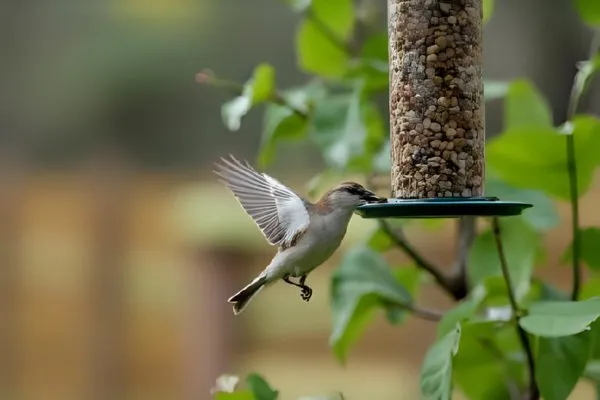
Diverse food presentation using different feeder types, heights, and locations creates varied foraging opportunities that exercise different feeding behaviors. Tube feeders, platform feeders, and suet feeders each encourage distinct natural feeding patterns.
Habitat enhancement around feeding areas through native plant installation provides insects, seeds, and nesting materials that complement artificial feeding. This integrated approach creates comprehensive habitat supporting all bird life cycle needs.
Seasonal variation in feeding approaches mirrors natural food availability patterns while providing supplemental support during challenging periods. This balance maintains natural behavioral patterns while offering assistance when most beneficial.
Conclusion
Responsible bird feeding transforms backyard spaces into meaningful conservation tools that support local bird populations while providing incredible opportunities for wildlife observation and connection. The practices outlined in this guide ensure your feeding efforts contribute positively to bird health, behavior, and survival rather than inadvertently causing harm through well-intentioned but misguided approaches.
The key lies in understanding that effective bird feeding requires ongoing commitment to cleanliness, appropriate food selection, strategic placement, and seasonal adaptation. By following these evidence-based dos and don’ts, you create feeding environments that supplement rather than replace natural foraging while providing critical support during challenging periods like severe weather, migration, and breeding seasons.
As you implement these practices, remember that every feeding station represents an opportunity to support conservation, engage with nature, and contribute to scientific understanding through citizen science programs. Your backyard can become a model of responsible wildlife stewardship that benefits both individual birds and broader ecosystem health for generations to come.
Frequently Asked Questions
How often should I clean my bird feeders?
Clean feeders every two weeks during normal conditions and weekly during heavy use or wet weather. Use a 10% bleach solution for monthly deep cleaning, ensuring thorough air drying before refilling.
Is it okay to feed birds year-round?
Selective year-round feeding is acceptable when balanced with natural foraging opportunities. Provide consistent support during harsh weather, migration, and breeding seasons while reducing feeding during periods of abundant natural food availability.
What should I do if I notice sick birds at my feeders?
Immediately remove all feeders, clean thoroughly with bleach solution, and suspend feeding for 1-2 weeks. Contact local wildlife authorities or veterinarians if mortality patterns suggest disease outbreak.
Can bird feeding create dependency problems?
When properly managed, feeding provides supplemental nutrition without creating harmful dependency. Avoid excessive year-round feeding and maintain diverse food sources that encourage natural foraging behaviors.
How close should feeders be to windows?
Position feeders either within 3 feet of windows or more than 30 feet away to minimize collision risks. The 3-foot range prevents birds from gaining enough speed to cause fatal impacts.
What’s the best way to prevent squirrel problems at feeders?
Use pole-mounted feeders with cone or cylindrical baffles positioned 5-6 feet above ground and 8-10 feet from jumping surfaces. Safflower seeds also deter squirrels while attracting desired bird species.
Should I provide water along with food?
Yes, fresh water is often more critical than food. Provide shallow water sources (1-2 inches deep) with moving elements when possible. Maintain unfrozen access during winter with heated bird baths.
How do I choose the right feeder for different bird species?
Use tube feeders for small songbirds, platform feeders for ground-feeding species, suet feeders for woodpeckers, and nyjer feeders for finches. Multiple feeder types accommodate diverse species preferences and reduce competition.