
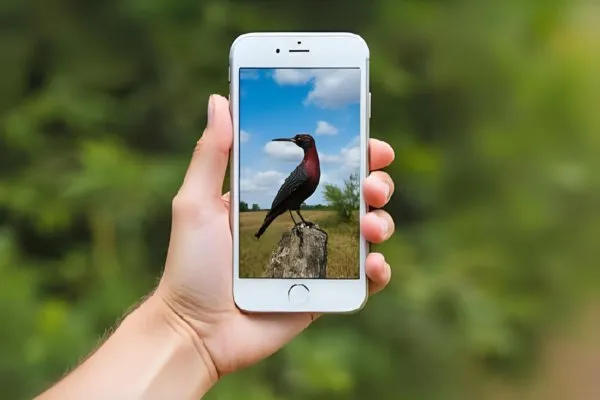
Did you know that over 50 million people participate in bird watching across North America alone, and nearly 73% of them now use smartphone technology during their birding expeditions? This digital revolution has transformed how we identify, track, and study avian species in the field.
The Challenge: Traditional field guides, while comprehensive, can be bulky and difficult to navigate quickly when you spot an unfamiliar species. Many birders struggle with rapid identification, miss recording opportunities, and lack access to real-time data that could enhance their observations.
The Promise: Modern bird watching apps combine decades of ornithological research with cutting-edge technology, putting expert identification tools, comprehensive databases, and citizen science capabilities right in your pocket. By the end of this guide, you’ll know exactly which apps to download and how to use them effectively to elevate your birding experience.
Why Digital Bird Watching Apps Are Revolutionary for Modern Birders
The integration of technology into ornithology represents one of the most significant advances in field birding since the invention of binoculars. Leading organizations like the Cornell Lab of Ornithology and Audubon Society have invested millions in developing digital platforms that democratize expert knowledge.
Scientific Accuracy and Real-Time Updates
Unlike static field guides, top-tier bird watching apps receive continuous updates from ornithological databases. Cornell’s eBird platform, which powers several leading apps, processes over 100 million bird observations annually, creating the world’s largest real-time bird occurrence database.
Enhanced Field Identification Capabilities
Modern apps leverage machine learning algorithms trained on millions of bird photos, sounds, and behavioral observations. The Merlin Bird ID app, developed by Cornell Lab, can identify over 2,000 bird species through photo analysis with 90%+ accuracy when used correctly.
Citizen Science Integration
Every observation you record contributes to global conservation efforts. Your sightings help researchers track migration patterns, population changes, and habitat preferences that inform critical conservation decisions.
Top 5 Bird Identification Apps Every Birder Needs in 2024
1. Merlin Bird ID (Cornell Lab of Ornithology)
Best For: Comprehensive species identification across multiple methods
Merlin stands as the gold standard for bird identification apps, backed by Cornell’s extensive ornithological research. The app offers four identification pathways: photo ID, sound ID, bird ID wizard, and regional bird lists.
Key Strengths:
- Photo ID with 90%+ accuracy for common species
- Sound ID covering over 1,000 North American species
- Seasonal abundance data for your specific location
- Completely free with no premium tiers
Scientific Foundation: Developed using machine learning models trained on millions of photos and sounds from the Macaulay Library, the world’s premier scientific archive of natural history audio and video.
2. eBird Mobile (Cornell Lab of Ornithology)
Best For: Serious birders focused on data collection and citizen science
eBird Mobile transforms your smartphone into a powerful scientific tool for recording and submitting bird observations to the global eBird database.
Key Features:
- Real-time submission to scientific databases
- Location-based species suggestions
- Integration with personal birding statistics
- Access to recent nearby sightings
Conservation Impact: eBird data directly influences conservation policy and research, with over 100 peer-reviewed scientific papers published using eBird data annually.
3. Audubon Bird Guide
Best For: Comprehensive field reference with high-quality photography
The National Audubon Society’s official app combines traditional field guide excellence with modern digital functionality.
Standout Elements:
- Professional photography from renowned bird photographers
- Detailed species accounts with behavior descriptions
- Range maps with seasonal migration patterns
- Climate change vulnerability assessments for species
4. BirdNET (Cornell Lab of Ornithology & Technical University of Chemnitz)
Best For: Sound-based identification of bird calls and songs
BirdNET represents cutting-edge bioacoustic technology, capable of identifying bird species from audio recordings with remarkable precision.
Technical Capabilities:
- Real-time sound analysis and identification
- Recording and saving capabilities for later analysis
- Confidence scores for each identification
- Global species coverage with regional accuracy variations
5. Sibley Birds 2nd Edition
Best For: Traditional field guide experience with digital enhancements
Based on David Allen Sibley’s acclaimed field guides, this app appeals to birders who prefer traditional illustration-based identification.
Unique Advantages:
- Sibley’s detailed illustrations showing age and sex variations
- Comprehensive coverage of North American species
- Offline functionality for remote locations
- Professional-quality range maps and seasonal information
Essential Features to Look for in Professional Bird Watching Apps
Species Coverage and Regional Accuracy
Choose apps that prioritize species relevant to your geographic region. Apps developed by institutions like Cornell Lab typically offer superior coverage for North American species, while apps from organizations like RSPB excel for European birding.
Evaluation Criteria:
- Minimum 500+ species for regional apps
- Regular database updates (at least quarterly)
- Integration with peer-reviewed taxonomic authorities
- Clear indication of confidence levels for identifications
Sound Library Quality and Recognition Technology
Audio capabilities separate exceptional apps from basic identification tools. Look for apps featuring:
Professional Audio Standards:
- Recordings from established libraries (Macaulay Library, Xeno-canto)
- Multiple vocalizations per species (songs, calls, flight sounds)
- Background noise filtering capabilities
- Real-time spectrogram display for sound analysis
Offline Functionality for Remote Birding
Field birding often occurs in areas with limited cellular coverage. Premium apps should offer:
Offline Capabilities:
- Complete species databases downloadable for offline use
- Photo and sound identification without internet connectivity
- Local observation recording with sync capabilities
- GPS functionality for accurate location tagging
How to Use Bird Apps Effectively During Field Observations
Pre-Field Preparation Strategies
Location-Specific Research: Before heading out, use apps to research expected species for your target location. eBird’s “Explore Regions” feature shows recent sightings and abundance patterns for any location globally.
Seasonal Timing: Review seasonal abundance charts within apps to understand which species are most likely during your visit. This preparation significantly improves identification efficiency.
In-Field Identification Workflow
Step 1: Initial Observation
- Note basic characteristics (size, color, behavior) before reaching for your phone
- Avoid disrupting the bird while accessing technology
Step 2: Multi-Modal Identification
- Start with size and habitat filters in identification apps
- Use photo ID for clear visual confirmation
- Employ sound ID for heard-only birds or confirmation
Step 3: Verification and Recording
- Cross-reference results across multiple features within the app
- Record observations immediately while details remain fresh
- Include behavior notes and habitat descriptions
Photography Integration Tips
Technical Considerations:
- Use apps’ photo ID immediately after capturing images
- Maintain ethical distance – never compromise bird welfare for better photos
- Consider lighting conditions when relying on photo identification algorithms
Free vs Premium Bird Watching Apps: Which Investment is Worth It?
Free Apps That Deliver Professional Results
Merlin Bird ID and eBird Mobile prove that exceptional functionality doesn’t require premium subscriptions. These Cornell Lab apps offer comprehensive features rivaling expensive alternatives.
What Free Apps Provide:
- Complete species identification capabilities
- Access to scientific databases
- Citizen science participation
- Regular content updates
When Premium Subscriptions Add Value
Premium features typically focus on enhanced user experience rather than core identification capabilities.
Premium Benefits Worth Considering:
- Extended offline map downloads
- Advanced filtering and search capabilities
- Priority customer support
- Integration with additional databases
Cost-Benefit Analysis: For recreational birders, free apps provide 95% of necessary functionality. Serious birders conducting research or leading groups may benefit from premium features offering enhanced data management and offline capabilities.
Advanced Recording and Data Collection Features for Citizen Science
Contributing to Global Conservation Efforts
Your bird observations become part of the largest biological dataset in history. Organizations like BirdLife International use citizen science data to inform Red List assessments and conservation priority setting.
Data Quality Standards:
- Accurate location tagging using GPS coordinates
- Detailed abundance counts (not just presence/absence)
- Behavioral observations and habitat descriptions
- Time and date precision
Integration with Research Projects
Project Participation Opportunities:
- Christmas Bird Count: Annual census supported by multiple apps
- Great Backyard Bird Count: Global snapshot of bird populations
- eBird Breeding Bird Atlas: Long-term population monitoring
- Climate Watch: Audubon’s climate change research initiative
Scientific Impact: Citizen science data from bird watching apps has contributed to breakthrough research on migration timing, climate change impacts, and population trends affecting conservation policy worldwide.
Conclusion
Bird watching apps have transformed field ornithology from a hobby requiring extensive expertise to an accessible pursuit supporting global conservation. The combination of Cornell Lab’s Merlin Bird ID and eBird Mobile provides most birders with comprehensive identification and data collection capabilities at no cost.
Key Takeaways:
- Start with free, scientifically-backed apps like Merlin and eBird
- Prioritize apps offering multiple identification methods (photo, sound, characteristics)
- Choose platforms that contribute to citizen science and conservation research
- Develop systematic workflows combining traditional observation skills with digital tools
Next Steps: Download Merlin Bird ID today and create an eBird account to begin contributing to the world’s largest biodiversity database. As technology continues advancing, expect even more sophisticated features like AI-powered behavior analysis and real-time migration tracking to further enhance your birding adventures.
The future of bird watching lies in the seamless integration of field skills, scientific knowledge, and digital technology – all accessible through the smartphone in your pocket.
Frequently Asked Questions
Do bird watching apps work accurately for identifying rare species?
Bird watching apps excel with common and moderately uncommon species but show reduced accuracy for rare birds. For vagrant or unusual species, use apps as a starting point but always confirm identifications through multiple sources, expert consultation, or detailed photography. The confidence scores provided by apps like Merlin indicate reliability levels for each suggestion.
Can I use bird identification apps effectively without internet connection?
Yes, several top apps offer robust offline functionality. Merlin Bird ID allows you to download complete regional bird packs for offline use, including photos, sounds, and identification features. However, features requiring real-time data (like recent sightings or range maps) need internet connectivity. Download regional packs before heading to remote locations.
How do bird watching apps handle different bird subspecies and regional variations?
Leading apps like Merlin and Sibley include subspecies information and regional variations, though coverage varies by species. Apps typically prioritize identification to species level first, then provide subspecies details in species accounts. For complex subspecies identification, combine app resources with specialized field guides and local birding expertise.
Are free bird watching apps as reliable as expensive field guide books?
High-quality free apps like Merlin Bird ID often surpass traditional field guides in functionality and accuracy. They offer advantages including sound libraries, real-time range data, and regular updates that printed guides cannot match. However, traditional guides excel in detailed plumage variations and may be preferred by birders who learn better from illustrations than photographs.