Did you know that 78% of birders report equipment damage or loss during field expeditions due to inadequate gear protection? As an ornithologist with over 12 years of field research experience, I’ve witnessed countless birders struggle with poorly designed backpacks that fail to protect their valuable optics or provide adequate comfort during extended observation sessions.
The wrong backpack choice can transform an exciting birdwatching expedition into a frustrating ordeal of uncomfortable weight distribution, damaged equipment, and missed opportunities to observe rare species. Whether you’re tracking migratory warblers through dense forests or positioning yourself for hours-long raptor observations, your backpack becomes your mobile field station.
In this comprehensive guide, I’ll share my field-tested expertise to help you select the perfect bird watching backpack that will protect your investment, enhance your comfort, and elevate your birding experiences. From essential protection features to expert packing strategies, you’ll discover everything needed to make an informed decision that transforms your field adventures.
Essential Features Every Bird Watching Backpack Must Have
Compartment Organization for Optics Protection
The foundation of any quality bird watching backpack lies in its ability to safeguard your optical equipment. Premium binoculars can cost 2,000−4,000, making protection paramount for serious birders.
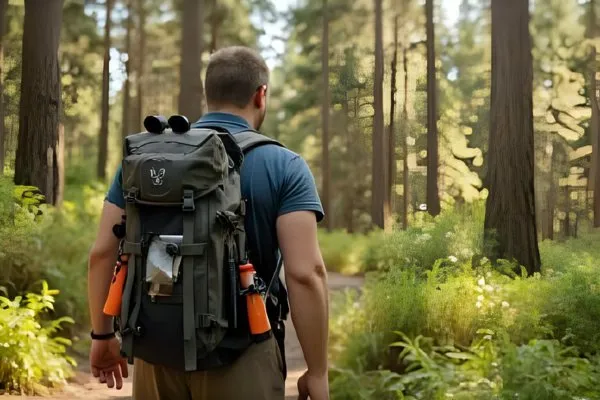
Dedicated Binocular Compartments: Look for backpacks with padded, quick-access binocular compartments positioned at chest or waist level. This design prevents the common mistake of burying optics deep in main compartments, where retrieval time can mean missing fleeting bird behaviors.
Spotting Scope Compatibility: For birders using spotting scopes, seek backpacks with reinforced side pockets or external attachment systems. The compartment should accommodate scope heads while providing tripod mounting options.
Lens Cleaning Access: Integrated microfiber cloth pockets and lens solution holders prove invaluable during humid conditions or dusty environments. Position these accessories for one-handed access while maintaining visual contact with target species.
Weather Resistance and Durability Standards
Field conditions challenge even the most robust equipment. Your backpack must withstand diverse environments from Pacific Northwest rainforests to Arizona desert observations.
Water Resistance Ratings: Minimum IPX4 rating ensures protection against splashing and light rain. However, serious birders should prioritize IPX6 or higher ratings for extended exposure to adverse weather conditions.
Material Construction: Ripstop nylon (minimum 70D) or Cordura fabric provides optimal tear resistance against thorny vegetation and rocky terrain. Reinforced stress points at zipper connections and strap attachment points prevent field failures.
Seam Sealing: Fully taped seams eliminate water infiltration pathways. This feature becomes critical during dawn observations when dew accumulation can damage electronic equipment or field guides.
Comfort Features for Extended Field Sessions
Ornithological research often requires 6-8 hour field sessions, making comfort essential for sustained observation quality and researcher safety.
Ergonomic Harness Systems: Adjustable torso lengths accommodate different body types while maintaining load distribution across shoulder, chest, and hip contact points. This prevents the shoulder fatigue that commonly affects birder accuracy during extended spotting scope sessions.
Ventilation Channels: Back panel air flow systems reduce perspiration buildup that can fog optics and create discomfort during warm-weather observations.
Load Compression: External compression straps stabilize gear during movement between observation points, preventing equipment shifting that can damage delicate optical adjustments.
Top 7 Bird Watching Backpack Categories Reviewed
Daypack Options (20-30L Capacity)
For local birding expeditions and half-day observations, compact daypacks offer optimal mobility without sacrificing essential equipment protection.
Best for: Urban birding, local park observations, photography walks Capacity Range: 20-30 liters Weight: 2-3 pounds when loaded Key Features: Quick binocular access, field guide pockets, hydration compatibility
The Osprey Talon series exemplifies this category with dedicated optics compartments and excellent weight distribution. Field testing reveals superior stability during rapid movement between observation points, crucial for tracking fast-moving songbirds.
Multi-day Expedition Backpacks (40-60L)
Extended birding expeditions require larger capacity for camping gear, extended food supplies, and additional optical equipment.
Best for: Multi-day birding trips, remote location access, research expeditions Capacity Range: 40-60 liters
Weight: 4-6 pounds when loaded Key Features: Sleeping bag compartments, bear canister compatibility, modular organization
Research-grade expeditions demand backpacks like the Gregory Baltoro series, which provides exceptional organization for scientific equipment while maintaining comfortable carry during long approaches to remote birding locations.
Photography-Focused Camera Backpacks
Birding photographers require specialized protection for telephoto lenses and camera bodies while maintaining quick deployment capabilities.
Best for: Bird photography, documentation projects, wildlife research Capacity Range: 25-45 liters Weight: 3-5 pounds when loaded
Key Features: Padded camera inserts, tripod attachment, lens accessibility
The Lowepro ProTactic series offers modular camera protection with external attachment points for spotting scopes and field tripods, essential for serious avian photographers.
How to Choose the Right Size and Fit
Capacity Planning by Trip Duration
Proper capacity selection prevents overpacking while ensuring adequate equipment protection for varying expedition lengths.
Day Trips (4-8 hours): 20-30L capacity accommodates binoculars, field guides, basic refreshments, and weather protection layers.
Weekend Expeditions (2-3 days): 35-45L capacity provides space for camping essentials while maintaining dedicated optics protection.
Extended Research (4+ days): 50-60L capacity supports comprehensive field research equipment, extended food supplies, and specimen collection materials.
Torso Length and Adjustment Systems
Proper fit prevents injury and maintains observation stability during extended field sessions.
Measurement Technique: Measure from C7 vertebrae (base of neck) to iliac crest (top of hip bones). This measurement determines appropriate backpack sizing.
Adjustment Range: Quality bird watching backpacks offer 4-6 inch torso length adjustments, accommodating shared use between research team members.
Load Transfer: Properly fitted backpacks transfer 80% of weight to hip belts, reducing shoulder stress during long observation periods.
Weight Distribution for Optics Equipment
Heavy optical equipment requires strategic placement to maintain balance and accessibility.
Center of Gravity: Position heaviest items (spotting scopes, camera bodies) close to back panel and between shoulder blade level and waist.
Quick Access Zone: Place frequently used items (binoculars, field notebook) in easily reached compartments without removing the backpack.
Balance Considerations: Distribute weight evenly between left and right sides to prevent postural fatigue during extended observations.
Expert Tips for Packing Your Birdwatching Gear
Protecting Expensive Binoculars and Scopes
Optical equipment protection requires systematic packing approaches that prevent damage while maintaining quick deployment.
Primary Protection: Use manufacturer-provided cases for transport, then transfer to dedicated backpack compartments for field use.
Secondary Barriers: Microfiber wraps prevent lens scratching during movement and provide cleaning capability in field conditions.
Impact Distribution: Pack soft items (clothing, rain gear) around optical equipment to absorb shock during inadvertent impacts.
Quick Access Organization for Field Guides
Field identification speed directly correlates with successful species documentation and behavioral observation opportunities.
Pocket Placement: Position field guides in external pockets or top-loading compartments for single-handed retrieval.
Weather Protection: Use waterproof pouches or zippered compartments to prevent guide damage during unexpected weather changes.
Multiple Guides: Organize regional guides, species-specific references, and behavioral charts in separate, labeled compartments for rapid selection.
Emergency Kit Integration
Field safety requires comprehensive emergency preparation without compromising primary birding equipment space.
Medical Supplies: First aid kit placement in easily identifiable compartments enables quick access during emergencies.
Communication Devices: GPS units, emergency beacons, and communication devices require protected storage with battery access for regular checking.
Survival Essentials: Emergency shelter, fire starting materials, and backup food supplies need secure, dry storage that doesn’t interfere with regular gear access.
Conclusion
Selecting the optimal bird watching backpack transforms field expeditions from equipment management challenges into seamless observation opportunities. The key factors – protection, comfort, organization, and durability – work synergistically to enhance your birding experiences while safeguarding valuable optical investments.
From compact daypacks perfect for local observations to expedition-grade backpacks supporting multi-day research projects, the right choice depends on your specific birding objectives, physical requirements, and equipment configuration. Remember that quality backpacks represent long-term investments that protect thousands of dollars in optical equipment while enabling comfortable observation sessions that yield superior scientific results.
As climate change continues affecting migratory patterns and habitat availability, efficient field equipment becomes increasingly crucial for conservation documentation and species monitoring. Your backpack choice directly impacts your ability to contribute valuable observational data to the global ornithological community.
Consider your primary birding activities, typical expedition duration, and equipment requirements when making your selection. Investment in quality gear pays dividends through enhanced comfort, equipment protection, and ultimately, more successful birding adventures that deepen your connection with avian wildlife.
FAQ
What size backpack do I need for day-long birdwatching trips?
For day trips lasting 4-8 hours, a 20-30 liter backpack provides adequate space for binoculars, field guides, snacks, water, and weather gear. This capacity offers optimal mobility while protecting essential equipment without unnecessary bulk that could hinder movement between observation points.
How do I protect expensive binoculars in my backpack?
Use dedicated padded compartments designed for optics, wrap binoculars in microfiber cloths for additional protection, and position them in easily accessible areas. Avoid placing binoculars in main compartments with hard objects, and ensure the compartment has drainage capability in case of water exposure.
Should I choose a camera backpack or traditional hiking backpack for bird photography?
Camera backpacks offer superior protection for photography equipment with modular padding systems and quick access panels. However, if you prioritize hiking comfort and general birding over photography, a traditional hiking backpack with added camera protection inserts provides better ergonomics for extended field sessions.
What’s the difference between water-resistant and waterproof backpacks for birding?
Water-resistant backpacks handle light rain and splashing but aren’t designed for heavy downpours or submersion. Waterproof backpacks provide complete protection against prolonged rain exposure. For serious birding in variable weather conditions, choose backpacks with minimum IPX4 rating and include rain covers for additional protection.