
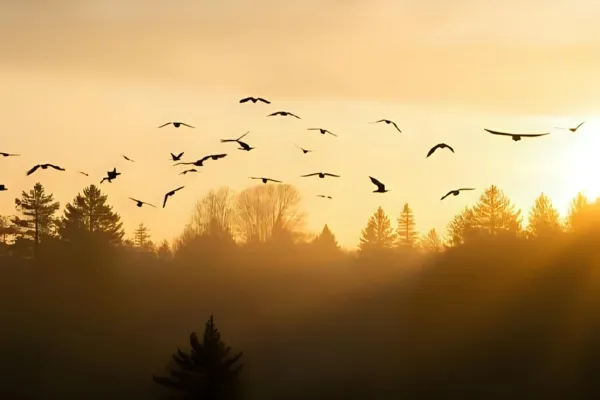
Every year, over 40 billion birds embark on one of nature’s most extraordinary journeys—migration. The Arctic Tern alone travels an astounding 44,000 miles annually, witnessing two summers while crossing from Arctic to Antarctic and back. Yet for many birdwatchers, these magnificent movements remain unpredictable mysteries, leading to missed opportunities and frustrating empty skies during peak migration windows.
The challenge? Without understanding migration patterns, timing, and routes, even dedicated observers often find themselves in the wrong place at the wrong time, watching barren landscapes while spectacular movements unfold elsewhere.
Here’s what you’ll master: By the end of this guide, you’ll possess the scientific knowledge and practical tools to predict bird arrivals, understand seasonal movements, and position yourself for incredible migration encounters that will transform your birdwatching experiences forever.
Understanding the Science Behind Bird Migration Patterns
Bird migration operates on intricate biological and environmental triggers that have evolved over millions of years. Understanding these mechanisms allows you to predict and interpret the movements you observe in the field.
Biological Triggers and Internal Clocks
Birds possess remarkable internal navigation systems driven by circannual rhythms—biological clocks that operate on yearly cycles. These internal timekeepers respond to:
- Photoperiod changes: Lengthening or shortening daylight hours trigger hormonal cascades
- Temperature fluctuations: Seasonal temperature shifts activate migratory restlessness (zugunruhe)
- Food availability: Resource scarcity or abundance influences departure timing
- Breeding cycles: Reproductive hormones synchronize with migration preparation
Research from Cornell Lab of Ornithology demonstrates that even birds raised in constant laboratory conditions maintain these rhythms, proving their genetic foundation.
Navigation and Orientation Mechanisms
Migrating birds employ multiple navigation systems simultaneously:
Magnetic Compass: Specialized cells containing magnetite crystals detect Earth’s magnetic field, providing directional orientation even during overcast conditions.
Celestial Navigation: Birds use sun position during daylight and star patterns at night. The indigo bunting, for example, learns constellation patterns as juveniles for lifelong navigation.
Landmark Recognition: Experienced migrants memorize geographical features like coastlines, mountain ranges, and river systems for precision navigation.
Olfactory Cues: Recent studies reveal that seabirds and some land birds use scent markers to identify specific locations along their routes.
Genetic vs. Learned Behaviors
Migration patterns combine inherited genetic programming with learned experiences:
- First-year migrants rely heavily on genetic programming and follow experienced birds
- Adult birds refine routes through experience, optimizing for food sources and weather patterns
- Population-level learning occurs when successful route modifications spread through groups over generations
Major Migration Routes and Flyways Across North America
North America’s four major flyways channel millions of birds along predictable corridors, creating exceptional viewing opportunities for informed observers.
Atlantic Flyway: Coastal Precision
Stretching from Arctic breeding grounds to South American wintering areas, the Atlantic Flyway follows the eastern coastline and serves over 500 species.
Key Characteristics:
- Primary corridor: Atlantic coast from Labrador to Florida
- Peak spring migration: April 15-May 15
- Peak fall migration: September 1-October 30
- Notable stopover sites: Cape May, Hawk Mountain, Point Pelee
Signature Species:
- Peregrine Falcons: Follow coastlines for abundant shorebird prey
- Warblers: Utilize coastal forests during spring passage
- Shorebirds: Depend on tidal flats for critical refueling
Mississippi Flyway: The Central Superhighway
This massive corridor follows the Mississippi River system, supporting the highest bird diversity and numbers of all flyways.
Key Characteristics:
- Route: Great Lakes to Gulf of Mexico via Mississippi River
- Spring peak: April 20-May 20
- Fall peak: August 15-October 15
- Critical bottlenecks: Mississippi River delta, Great Lakes shores
Exceptional Species Movements:
- Waterfowl: 80% of North American ducks and geese use this route
- Raptors: Broad-winged hawks create spectacular “kettles” of thousands
- Songbirds: Neotropical migrants funnel through in massive waves
Central Flyway: Great Plains Gateway
Spanning the Great Plains from Canada to Mexico, this flyway supports grassland and wetland species.
Key Characteristics:
- Path: Central Canada through Texas to Central America
- Spring timing: March 15-May 30
- Fall timing: August 1-November 15
- Habitat focus: Grasslands, prairie potholes, playa lakes
Distinctive Migration Events:
- Sandhill Cranes: 80% of the population stages along Nebraska’s Platte River
- Waterfowl: Prairie breeding ducks concentrate in seasonal wetlands
- Shorebirds: Interior populations utilize alkali lakes and mudflats
Pacific Flyway: Western Coastal Corridor
Following the Pacific Coast from Alaska to South America, this flyway serves diverse ecosystems from temperate rainforests to deserts.
Key Characteristics:
- Route: Alaskan coast to Patagonia
- Spring peak: April 1-May 31
- Fall peak: July 15-November 1
- Unique features: Island hopping, desert crossings, coastal concentration
Remarkable Phenomena:
- Sooty Shearwaters: Million-bird movements visible from shore
- Allen’s Hummingbirds: Coastal California specialists with unique timing
- Pelagic species: Ocean-dependent birds following offshore currents
Seasonal Migration Timing: When to Expect Different Species
Understanding seasonal timing patterns transforms random bird encounters into predictable, strategic observations.
Spring Migration Patterns (March-May)
Spring migration unfolds as a carefully orchestrated sequence driven by breeding urgency and weather patterns.
Early Spring (March 1-31):
- Waterfowl: Ducks, geese, and swans move as soon as ice breaks
- Raptors: Red-tailed hawks, northern harriers begin movement
- Blackbirds: Red-winged blackbirds, common grackles arrive in flocks
Peak Spring (April 15-May 15):
- Warblers: The famous “warbler waves” peak during this window
- Vireos and Flycatchers: Insect-dependent species follow warming temperatures
- Thrushes: American robins, wood thrushes, hermit thrushes migrate actively
Late Spring (May 15-June 15):
- Late Neotropicals: Least flycatchers, mourning warblers finish migration
- Arctic Breeders: Shorebirds heading to northernmost breeding areas
- Lingering Stragglers: Individuals completing delayed journeys
Fall Migration Patterns (July-November)
Fall migration extends over a longer period, offering sustained viewing opportunities with less weather dependence.
Early Fall (July-August):
- Post-breeding Dispersal: Local movements as young birds explore
- Shorebirds: Adults begin southern movement while raising young
- Failed Breeders: Non-successful pairs start early migration
Peak Fall (September 1-October 15):
- Songbird Maximum: Highest diversity and numbers of migrants
- Hawk Migration: Spectacular raptor movements along ridges
- Mixed Flocks: Multi-species groups provide identification challenges
Late Fall (October 15-November 30):
- Stragglers: Delayed individuals and second-year birds
- Weather-dependent: Storm-driven concentrations create hotspots
- Irruptive Species: Irregular migrants appearing in unusual numbers
Regional and Elevation Variations
Migration timing varies significantly by geography and elevation:
Latitudinal Effects:
- Northern regions: 2-3 weeks earlier in fall, 2-3 weeks later in spring
- Southern regions: Extended seasons with more gradual transitions
- Coastal areas: Earlier spring arrival, delayed fall departure
Elevational Influences:
- Mountain Migration: Species move vertically before horizontal movement
- Elevation Gradients: Sequential habitat availability creates staging areas
- Weather Barriers: High elevations concentrate birds during poor conditions
How Climate Change is Reshaping Migration Patterns
Climate change represents the most significant force currently altering bird migration patterns, with profound implications for observers and conservation.
Shifts in Timing and Routes
Scientific monitoring reveals measurable changes across multiple species and regions:
Timing Modifications:
- Spring Advancement: Average spring arrival 6-14 days earlier over past 30 years
- Fall Extension: Later departure dates extending migration periods
- Mismatch Events: Arrival timing no longer synchronized with peak food availability
Route Alterations:
- Northward Shifts: Many species expanding ranges 50-100 miles northward
- Elevation Changes: Mountain species moving to higher altitudes
- New Stopover Sites: Traditional sites becoming unsuitable, forcing route modifications
Species-Specific Adaptations
Different species demonstrate varying abilities to adapt to changing conditions:
Flexible Adapters:
- American Robins: Successfully adjusting timing and routes
- Yellow Warblers: Modifying migration schedules to track insect emergence
- Canada Geese: Some populations reducing migration distances
Vulnerable Species:
- Arctic Specialists: Species like red knots facing habitat loss at both ends
- Timing-Dependent Species: Flycatchers struggling with insect phenology mismatches
- Long-Distance Migrants: Extreme migrants facing multiple stressor points
Impacts on Birdwatching Opportunities
These changes create both challenges and opportunities for observers:
New Viewing Opportunities:
- Species appearing in previously unsuitable regions
- Extended migration windows providing more viewing time
- Novel species combinations as ranges shift
Traditional Challenges:
- Reduced reliability of historical timing predictions
- Changing abundance at traditional hotspots
- Need for adaptive observation strategies
Practical Tips for Tracking and Predicting Bird Movements
Modern technology and traditional techniques combine to help observers anticipate and locate migrating birds with unprecedented precision.
Digital Tools and Apps
eBird and Migration Tracking:
- Real-time Data: eBird abundance maps show current migration status
- Historical Comparisons: Bar charts reveal typical timing for your region
- Alerts and Filters: Set notifications for target species arrivals
Specialized Migration Apps:
- BirdCast: Cornell’s migration forecasting system using weather radar
- Migration Station: Real-time updates from monitoring stations
- Hawk Migration App: Specific tracking for raptor movements
Weather Integration:
- Weather Underground: Detailed wind and pressure maps
- Windy.com: Visualization of weather systems affecting migration
- NOAA Weather: Professional forecasts for migration-favorable conditions
Weather Patterns and Migration Forecasting
Understanding weather’s role in migration enables accurate predictions:
Favorable Spring Conditions:
- Warm Fronts: Southerly winds and rising temperatures trigger departures
- High Pressure: Clear skies and stable conditions encourage movement
- Following Storms: Birds often move immediately after weather clears
Optimal Fall Scenarios:
- Cold Fronts: North winds and dropping temperatures initiate migration
- Clear Skies: High-pressure systems provide ideal flying conditions
- Tail Winds: Favorable winds can create massive movement events
Concentration Events:
- Storm Fronts: Advancing weather systems concentrate birds ahead of storms
- Coastlines: Onshore winds force birds to concentrate along shores
- Geographical Barriers: Mountains, lakes, and deserts create natural funnels
Strategic Hotspot Selection
Maximizing migration encounters requires understanding landscape features that concentrate birds:
Natural Concentration Points:
- Peninsulas: Cape May, Point Pelee, and similar jutting landforms
- River Confluences: Where multiple waterways meet
- Mountain Gaps: Natural breaks in ridge systems
Habitat Transitions:
- Edge Effects: Where different habitats meet
- Oasis Locations: Isolated habitat patches in unsuitable landscapes
- Elevation Gradients: Different species utilize various elevation zones
Urban Migration Corridors:
- City Parks: Islands of habitat in urban landscapes
- Lake Shores: Urban waterfront areas during migration
- Cemetery and Campus Areas: Large green spaces in developed areas
Conclusion and Next Steps
Understanding bird migration patterns transforms birdwatching from random encounters into strategic, scientifically-informed expeditions. You now possess the knowledge to predict arrivals, interpret movements, and position yourself for extraordinary migration experiences.
Key Takeaways:
- Migration follows predictable biological and environmental triggers
- Four major flyways channel movements across North America
- Seasonal timing varies by species, region, and changing climate conditions
- Modern tools and weather knowledge enable accurate migration forecasting
Your Next Steps:
- Download Essential Apps: Start with eBird and BirdCast for your region
- Identify Local Hotspots: Research concentration points within 50 miles of your location
- Track Weather Patterns: Begin correlating local bird movements with weather systems
- Join Migration Monitoring: Participate in citizen science to contribute valuable data
As climate change continues reshaping migration patterns, your observations contribute to critical scientific understanding while providing you with unparalleled natural spectacles. The intersection of traditional field skills and modern technology offers today’s birdwatchers unprecedented opportunities to witness and understand these remarkable journeys.
The next time massive weather systems approach your area, you’ll know exactly where to position yourself for the migration event of a lifetime.
Frequently Asked Questions
What time of day is best for observing migration?
Peak migration activity occurs during the first 3-4 hours after dawn, when birds that migrated overnight begin foraging and visibility is optimal. Evening movement is less predictable but can be spectacular during favorable weather.
How far in advance can I predict major migration events?
Weather-dependent movements can be forecast 2-5 days ahead using meteorological data. Seasonal timing predictions are reliable within 1-2 weeks based on historical data and current conditions.
Why do I sometimes see huge flights one day and nothing the next?
Migration occurs in pulses driven by weather systems. A single favorable weather pattern can trigger massive movements, followed by quiet periods as birds settle into foraging areas or wait for next favorable conditions.
Are migration routes fixed, or do they change over time?
While major flyways remain consistent over decades, specific routes within flyways can shift due to habitat changes, climate change, and human development. Individual birds may also modify routes based on experience.
What’s the difference between migration and daily movements?
True migration involves directional seasonal movement between breeding and wintering areas, typically covering hundreds to thousands of miles. Daily movements are local foraging and roosting flights within established territories.